Blog
Technical deep dives, tutorials, and notes on building intelligent systems.
Building Agentic RAG Systems with LLMs
Explore the architecture of modern agentic RAG systems, shifting from simple retrieval to multi-step reasoning and tool use.
Active Inference: A New Frontier in Artificial Intelligence
Artificial intelligence (AI) has long been dominated by paradigms such as supervised learning, reinforcement learning, and ...
Understanding the Manifold Hypothesis: Why High-Dimensional Data Isn’t As Random As You Think
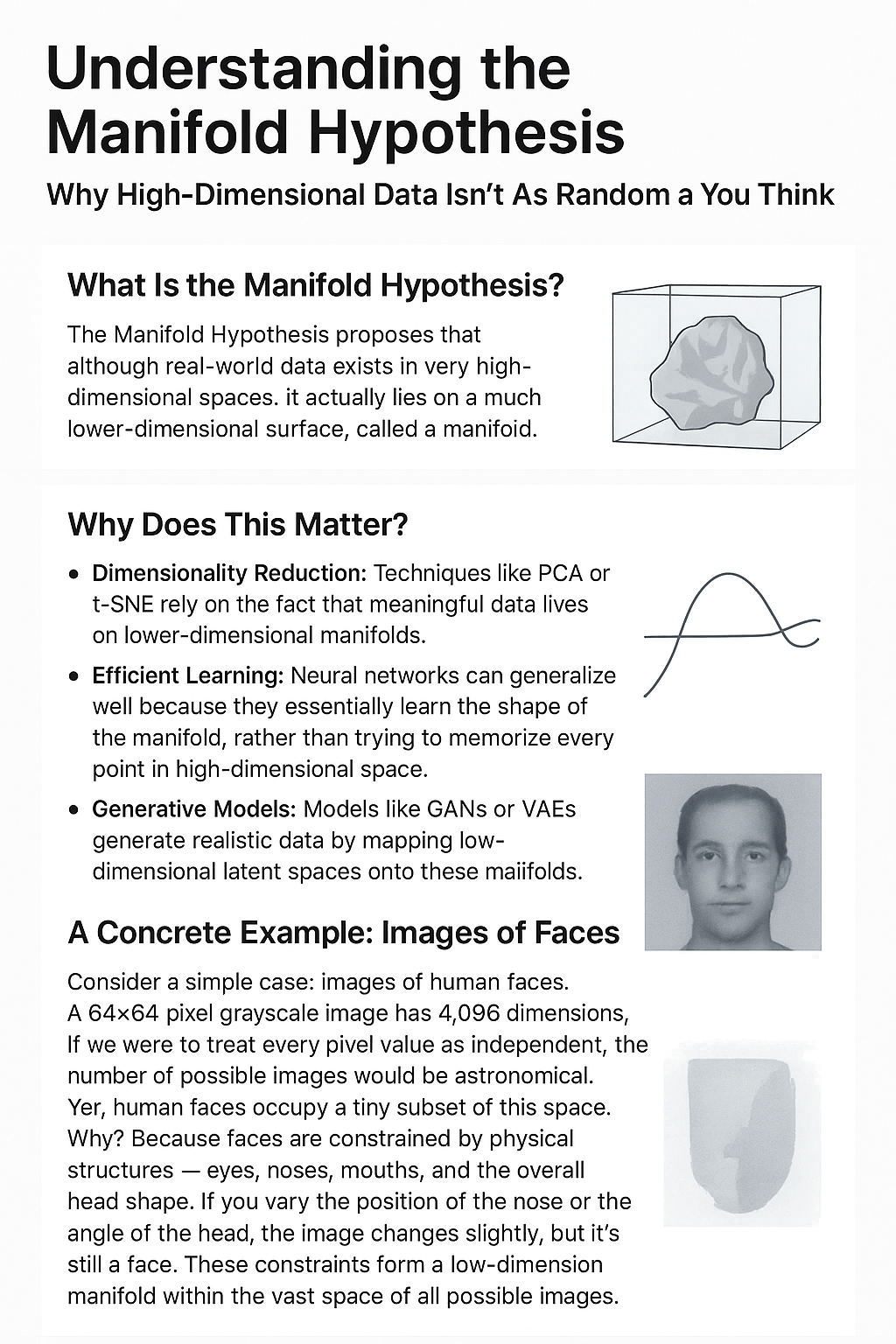In the world of machine learning and deep learning, we often deal with data that seems overwhelmingly complex. Images with ...
From Pretraining to Policy Optimization: How LLMs Learn to Align with Us
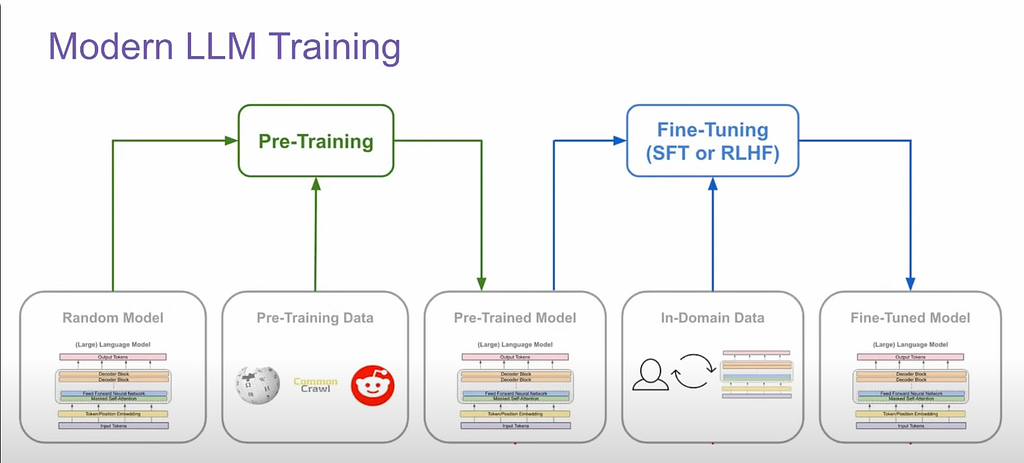The development of Large Language Models (LLMs) like GPT-4, Claude, and Gemini involves a multi-stage process. At a high le...
Understanding Reinforcement Learning: An Introduction to Key Concepts
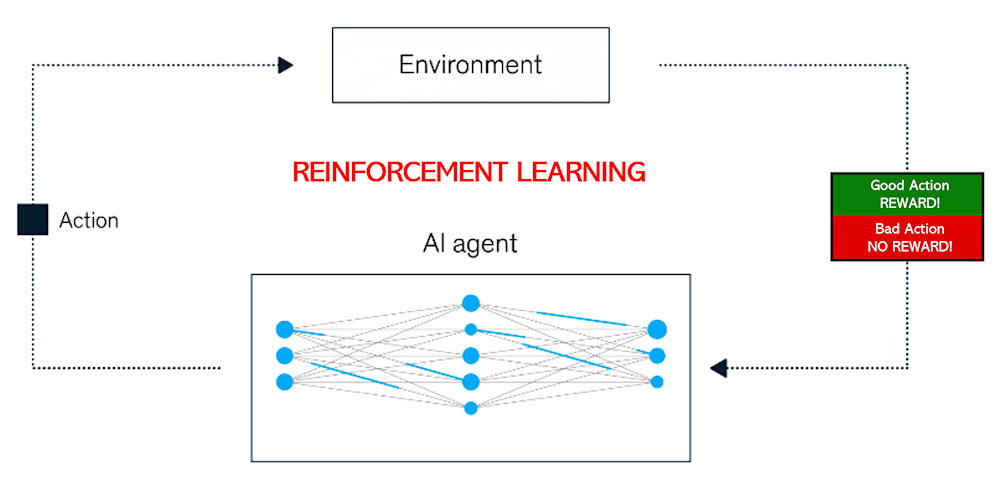Reinforcement Learning (RL) is a branch of machine learning where an agent learns to make decisions by interacting with its...
What is the Model Context Protocol (MCP)?
Explore the new standard connecting AI models to external data and tools—acting like a USB-C port for LLMs.
The Anatomy of Fast LLM Inference
Deep dive into KV Caches, PagedAttention, and Grouped-Query Attention—the techniques making modern AI scalable.
Beyond Generative AI: The JEPA Architecture
Why Yann LeCun believes predicting pixels is a dead end, and how Joint Embedding Predictive Architectures offer a path to true machine intelligence.
CRISP-DM: A Comprehensive Guide to the Leading Data Mining Methodology
In today’s data-driven world, businesses and organizations increasingly rely on data mining to uncover valuable insights an...
Optimizers: A Deep Dive into Gradient Descent, Adam, and Beyond
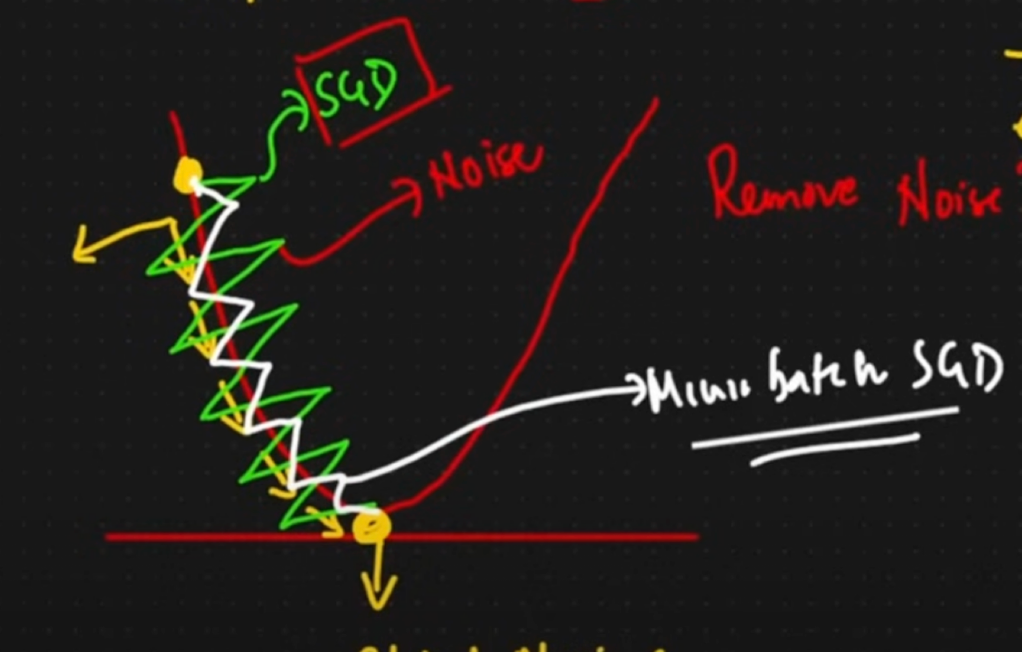Optimizers are crucial in machine learning, helping models learn by adjusting the weights to minimize the loss function. Ch...
Understanding the Vanishing Gradient Problem and the Role of Activation Functions
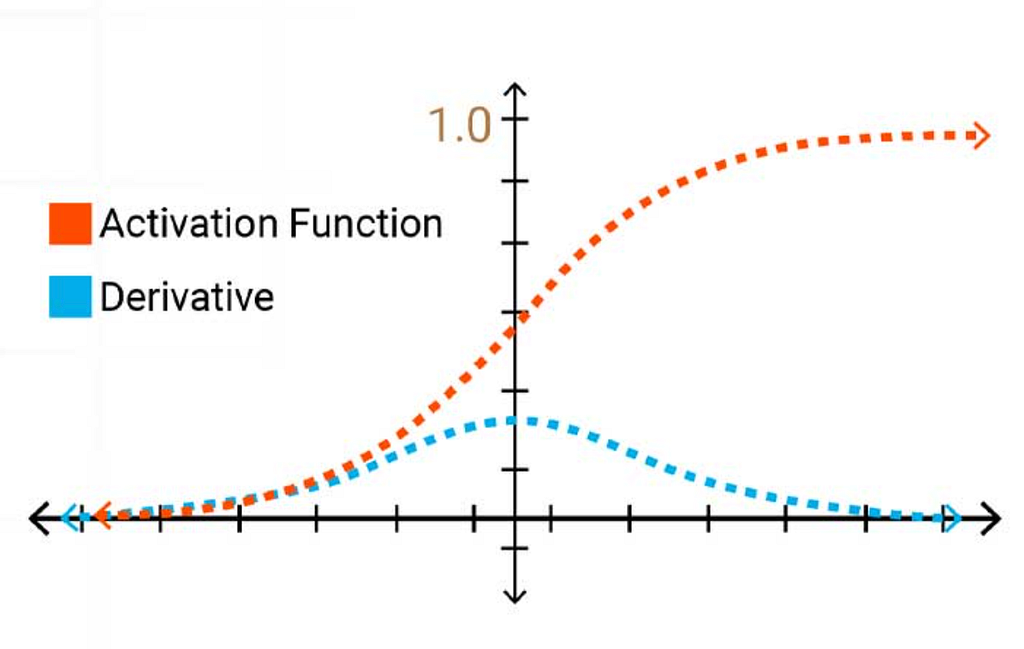Deep learning has revolutionized many fields, from computer vision to natural language processing. However, training deep n...
#13 Let's Prepare for the Machine Learning Interview: LLM's
Large language models use transformer models and are trained using massive datasets — hence, large. This enables them to recognize, summarize, translate, predict and generate text...